Blood Specimen Tubes
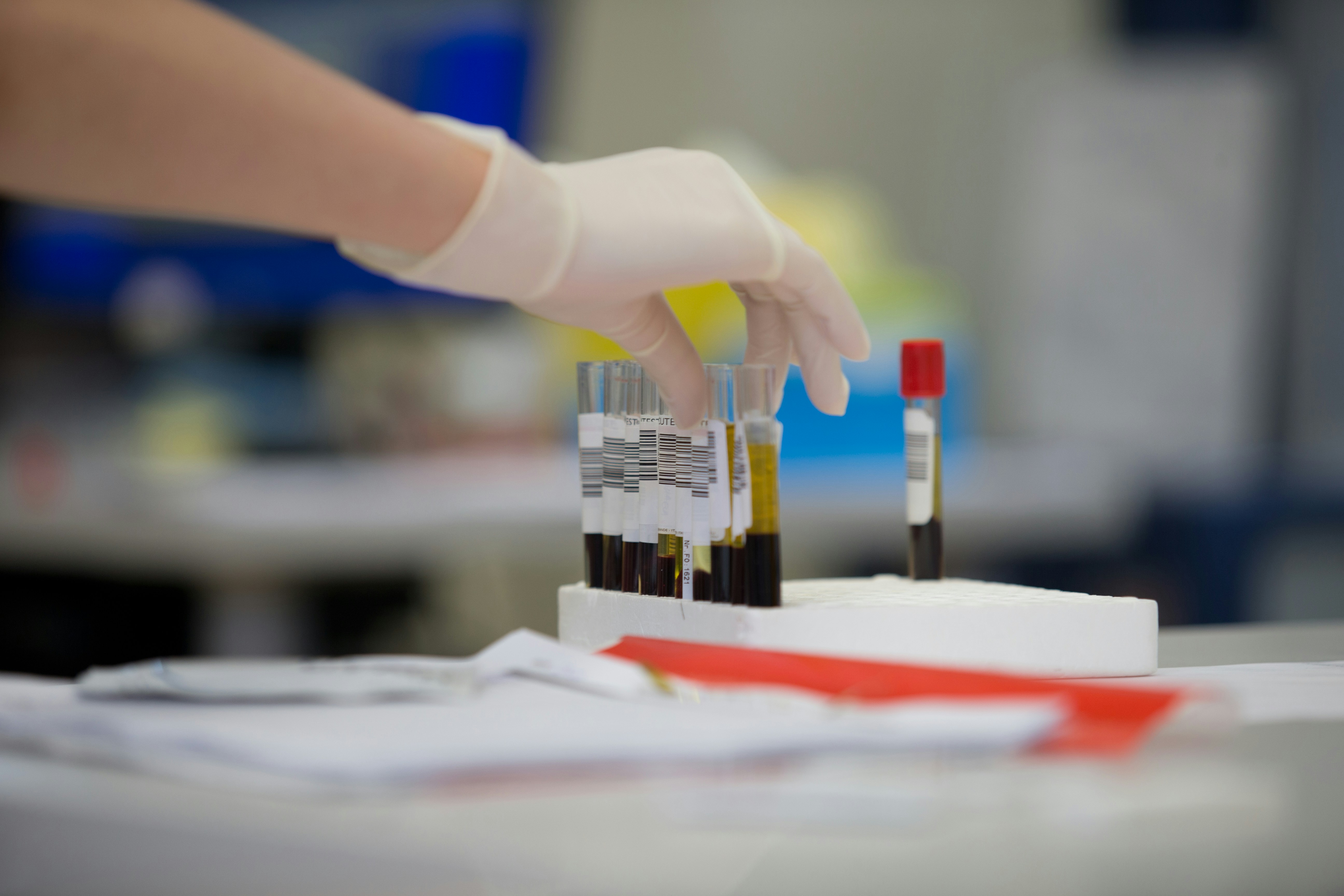
Blood for diagnostic investigations can be collected either from the peripheral vein or from the capillaries. Venous blood is preferred for hematology, biochemistry, serology & immunology investigations but capillary blood can be nearly as accurate if a free flow of blood is obtained and there is no dilution error due to tissue fluids.
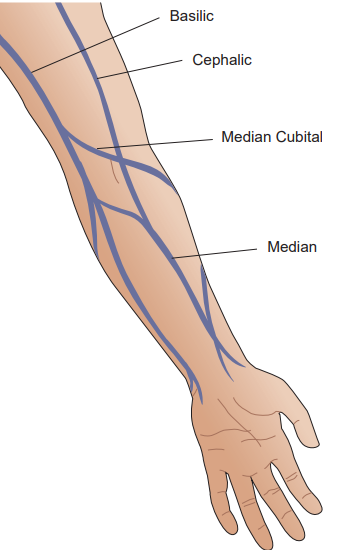
Blood is usually collected from veins, capillaries and arteries. Venous blood is collected from anticubital vein most commonly. Blood is also collected from the vein of arms, dorsum of hands. Long cephalic vein is also used where non-availability of the former veins. Infant’s femoral vein is used for collection of blood. In newborn children umbilical vein and scalp vein are commonly used for puncture.
For collection of capillary blood, the site is selected usually the finger-tips or ear lobe in adult and the great toe or heel in infants
Order of Drawing Blood
| Blood Draw Order | Tube Order | Description |
|---|---|---|
| 1 | Color Varies | Blood Cultures |
| 2 | Light Blue | Sodium Citrate |
| 3 | Red | Clot Activator |
| 4 | Gold | SST |
| 5 | Light Green | Lithium Heparin |
| 6 | Dark Green | Sodium Heparin |
| 7 | Lavender | EDTA |
| 8 | Gray | Sodium Fluoride |
Order of Draw Acronym
Sometimes the trick to remembering a lot of informationis to create a mnemonic acronym. This helps break the information down into easy to remember chunks, with just enough info in each chunk to help you remember the bigger picture. Mnemonic acronyms are not set in stone, and you can create your own acronym to help you easily remember the order of blood draw. An example of this could be "Bunnies Love Roaming Gardens, Looking for Delicious Leafy Greens.
| Bunnies | Blood Culture |
| Love | Light Blue |
| Roaming | Red |
| Gardens | Gold |
| Looking (For) | Light Green |
| Delicious | Dark Green |
| Leafy | Lavender |
| Greens | Gray |
| Gardens | Gold |